Trading Magazine
What Is Exporting? A Complete Beginner’s Guide to International Trade


What Is Exporting? A Complete Beginner’s Guide
In today’s global economy, businesses are no longer limited to selling products within their own countries. Thanks to international trade, companies of every size can reach customers worldwide, increase revenue, and build globally recognized brands. One of the most effective ways to achieve this is through exporting.
Whether you’re a manufacturer, supplier, farmer, or entrepreneur, understanding how exporting works is the first step toward entering international markets.
In this guide, we’ll explain everything beginners need to know about exporting—from its definition and benefits to the export process and common challenges.
What Is Exporting?
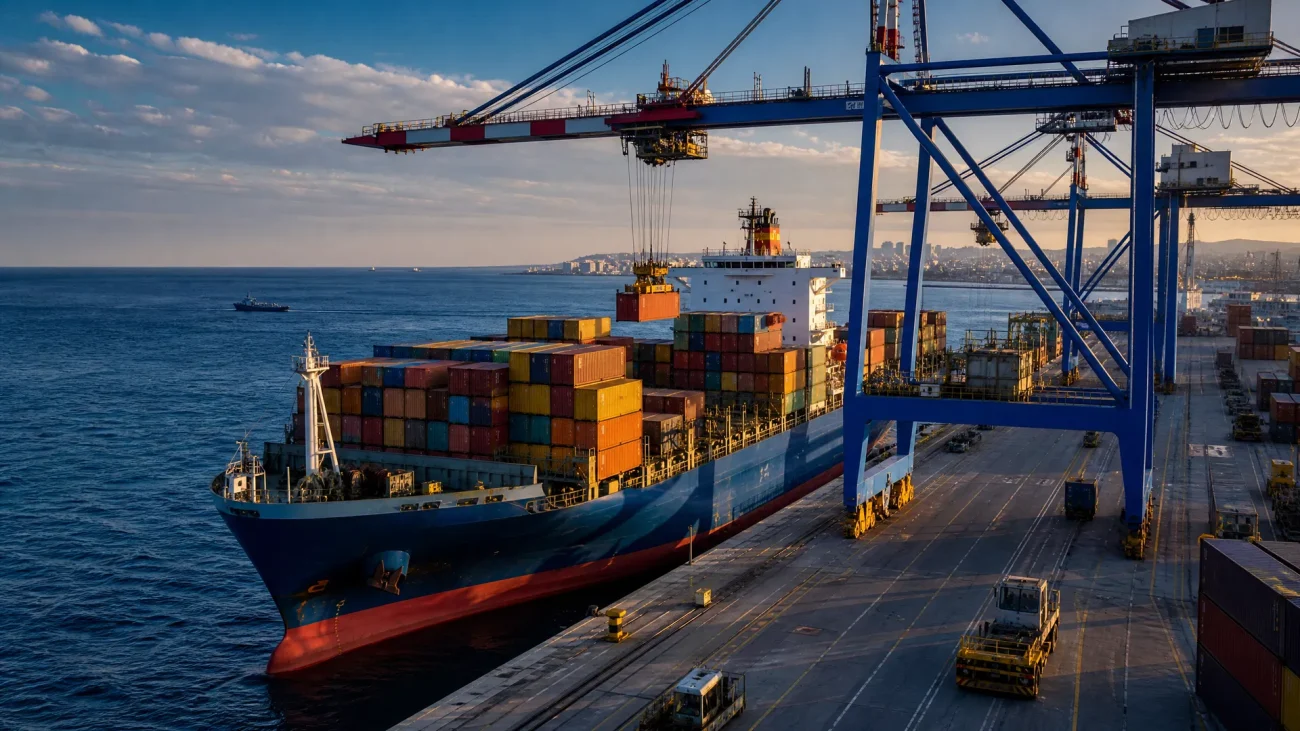
Exporting is the process of selling goods or services produced in one country to customers or businesses in another country.
Simply put, when a company manufactures a product domestically and ships it to an overseas buyer, that company is exporting.
For example:
- A Turkish textile manufacturer sells clothing to Germany.
- An Indian spice producer exports spices to Canada.
- A Brazilian coffee exporter supplies coffee beans to Japan.
Exporting allows businesses to access larger markets beyond their domestic economy.
Why Is Exporting Important?
Exporting plays a vital role in global trade and economic growth.
For businesses, exporting offers opportunities to:
Increase sales and revenue
Reach millions of new customers
Reduce dependence on one local market
Build an international brand
Improve competitiveness
Expand business stability during local economic downturns
For countries, exports contribute to:
Economic growth
Employment opportunities
Foreign currency earnings
Stronger international trade relationships
Benefits of Exporting
1. Access to Global Markets
Instead of selling only locally, exporters can reach buyers across multiple countries, dramatically increasing potential demand.
2. Higher Revenue Potential
International markets often offer better pricing opportunities, especially for specialized or premium-quality products.
3. Business Growth
Exporting encourages companies to improve product quality, packaging, certifications, and customer service, making them stronger competitors.
4. Risk Diversification
Relying on one market can be risky. Exporting spreads business across different regions, reducing the impact of local economic fluctuations.
5. Stronger Brand Recognition
Successful exporters build credibility and reputation internationally, opening doors to partnerships and long-term contracts.
Common Products That Are Exported
Almost any product can be exported if it meets international regulations.
Popular export categories include:
Agricultural products
Food and beverages
Steel and construction materials
Chemicals
Medical equipment
Machinery
Textiles and apparel
Electronics
Furniture
Automotive parts
Cosmetics
Handicrafts
How the Export Process Works
Understanding the export process helps businesses avoid costly mistakes.
Step 1: Market Research
Before exporting, identify:
Target countries
Market demand
Competitors
Pricing
Local regulations
Choosing the right market significantly increases your chances of success.
Step 2: Find International Buyers
Potential buyers can be found through:
B2B marketplaces
Trade fairs
Industry associations
Chambers of commerce
Trade brokers
Business networking platforms
Step 3: Prepare Export Documentation
Export transactions require accurate documentation.
Typical documents include:
Commercial Invoice
Packing List
Certificate of Origin
Bill of Lading
Export License (if required)
Insurance Documents
Inspection Certificates
Step 4: Agree on Payment Terms
Common international payment methods include:
Letter of Credit (L/C)
Bank Transfer (T/T)
Documentary Collection
Open Account
Advance Payment
Selecting secure payment terms reduces financial risk.
Step 5: Arrange Shipping and Logistics
Products are transported through:
Sea Freight
Air Freight
Rail Transport
Road Transport
Logistics providers coordinate transportation, customs clearance, and delivery.
Step 6: Customs Clearance
Both exporting and importing countries require customs procedures.
Proper documentation helps prevent delays and additional costs.
Step 7: Delivery to the Buyer
After customs clearance, goods are delivered to the buyer according to the agreed Incoterms and shipping arrangements.
Common Export Documents
Successful exporting depends on proper paperwork.
Essential export documents include:
Document Purpose
Commercial Invoice Details of the sale
Packing List Product packaging information
Certificate of Origin Confirms manufacturing country
Bill of Lading Shipping contract and receipt
Insurance Certificate Cargo protection
Export Declaration Customs compliance
Challenges of Exporting
While exporting offers many opportunities, businesses should be aware of common challenges.
Regulatory Compliance
Each country has different import regulations, certifications, and product standards.
Currency Exchange
Exchange rate fluctuations can affect profit margins.
Logistics
International shipping involves transportation, warehousing, customs, and insurance.
Cultural Differences
Communication styles, negotiation practices, and customer expectations vary by market.
Payment Risk
Working with unknown international buyers requires secure payment methods and due diligence.
Tips for First-Time Exporters
If you’re new to exporting, consider these best practices:
Research your target market thoroughly.
Understand local import regulations.
Verify potential buyers before signing agreements.
Choose reliable freight forwarders.
Use internationally recognized payment methods.
Invest in quality packaging and labeling.
Learn about Incoterms and shipping responsibilities.
Build long-term relationships instead of focusing only on one-time sales.
How Export Brokers Can Help
Many businesses choose to work with export brokers or international trade specialists.
An experienced export partner can assist with:
Buyer sourcing
Supplier verification
Contract negotiations
Documentation
Shipping coordination
Customs compliance
Risk management
End-to-end trade support
This reduces complexity while helping businesses expand into global markets more efficiently.
Frequently Asked Questions (FAQs)
What is the difference between exporting and importing?
Exporting is selling goods to another country, while importing is purchasing goods from another country.
Do small businesses export?
Yes. Many small and medium-sized businesses successfully export products worldwide using digital marketplaces, trade partners, and logistics providers.
Is exporting profitable?
Exporting can be highly profitable when businesses select the right markets, manage costs effectively, and maintain strong relationships with international buyers.
What documents are needed for exporting?
The required documents vary by country and product but typically include a commercial invoice, packing list, certificate of origin, and shipping documents.
Can I export without a trading company?
Yes, businesses can export directly. However, working with an experienced trading company or export broker can simplify the process, reduce risks, and help identify reliable buyers.
Final Thoughts
Exporting is one of the most effective ways to grow a business, diversify revenue, and reach customers around the world. While international trade involves planning, compliance, logistics, and documentation, the long-term opportunities often outweigh the challenges.
Whether you’re taking your first steps into global markets or looking to expand your international presence, understanding the fundamentals of exporting is essential. With the right strategy, trusted partners, and a clear understanding of the export process, businesses of all sizes can compete successfully on the global stage.
At Exportif, we help businesses navigate international trade with confidence—connecting verified buyers and suppliers, streamlining logistics, ensuring compliance, and supporting every stage of the export journey. If you’re ready to grow beyond your domestic market, our team is here to help you trade smarter and expand globally.