Trading Magazine
10 Common Export Challenges and How to Solve Them

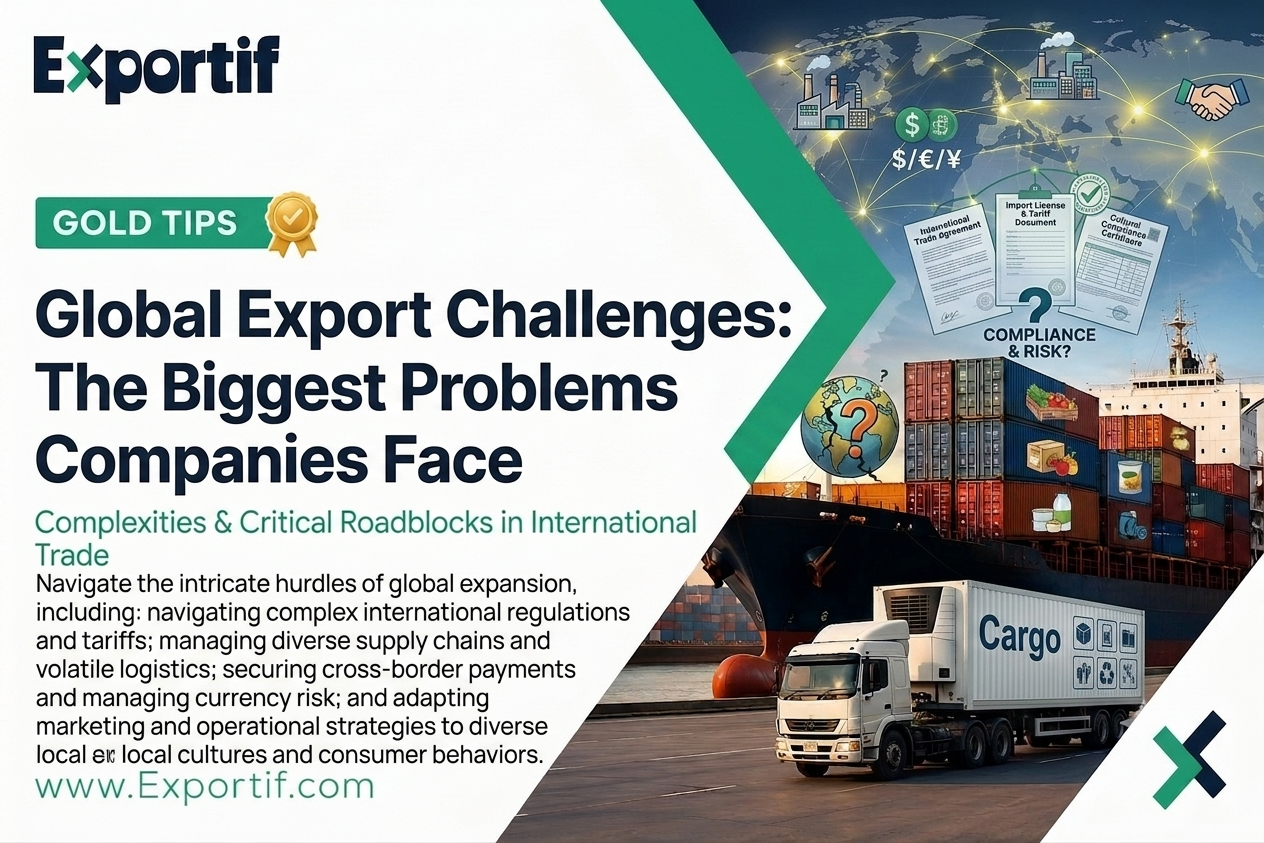
Expanding into international markets can unlock significant growth — but exporting comes with real export challenges that go far beyond shipping products overseas. Many businesses underestimate these complexities and face unexpected obstacles that delay shipments, increase costs, or cost them customers.
Understanding these export challenges before entering global markets can save your business time, money, and valuable opportunities.
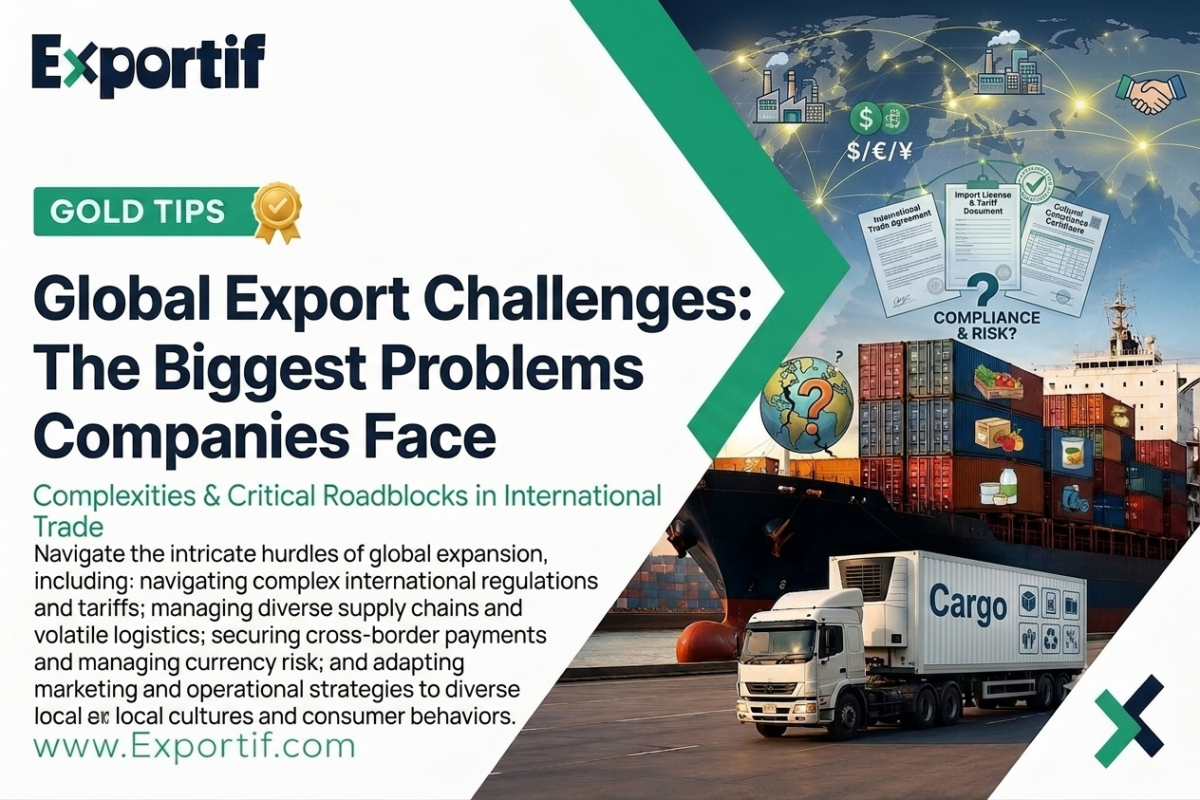
Export Challenge #1: Finding Reliable International Buyers
One of the biggest export challenges is identifying buyers who are genuinely interested and financially reliable.
Many exporters:
- Spend months searching for customers
- Receive inquiries from unqualified buyers
- Face payment risks and fraudulent companies
Solution: Work with verified buyer networks, conduct due diligence, and use professional B2B matchmaking services. Our Verified Buyer Matching service handles this vetting for you.
Export Challenge #2: Lack of Market Research
A product that performs well domestically may not succeed in another country.
Common mistakes include:
- Choosing the wrong target market
- Ignoring customer preferences
- Underestimating competitors
- Misjudging demand
Solution: Analyze market demand, pricing, competitors, import regulations, and consumer behavior before entering a new market. The International Trade Administration publishes free country-specific market research to help with this.
Export Challenge #3: Export Documentation
International trade requires accurate documentation. Missing or incorrect documents can result in:
- Customs delays
- Shipment rejection
- Additional storage costs
- Financial penalties
Typical documents include:
- Commercial Invoice
- Packing List
- Certificate of Origin
- Bill of Lading
- Export License (when required)
Solution: Develop standardized documentation processes or seek professional export assistance.
Export Challenge #4: Understanding International Regulations
Every country has unique import laws, product standards, labeling requirements, and certifications. Ignoring these requirements can prevent products from entering the destination market.
Solution: Research country-specific regulations before shipping. The International Chamber of Commerce is a good starting point for standard trade terms and rules.
Export Challenge #5: Logistics and Shipping Complexity
Choosing the wrong shipping method can significantly affect costs and delivery times. Businesses often struggle with:
- Freight selection
- Customs clearance
- Insurance
- Delivery delays
- Unexpected shipping costs
Solution: Partner with experienced freight forwarders and logistics providers.
Export Challenge #6: Payment Risks
International transactions involve higher financial risks, including:
- Late payments
- Currency fluctuations
- Fraud
- Non-payment
Solution: Use secure payment methods such as:
- Letters of Credit (L/C)
- Documentary Collections
- Escrow services
- Export credit insurance
Export Challenge #7: Language and Cultural Differences
Successful exporting requires more than speaking English. Different cultures have different:
- Negotiation styles
- Business etiquette
- Communication preferences
- Decision-making processes
Solution: Understand your target market’s business culture and communicate professionally.
Export Challenge #8: Pricing Products Competitively
Many exporters struggle to calculate their final export price. Factors include:
- Production costs
- Freight
- Insurance
- Duties
- Taxes
- Distributor margins
- Exchange rates
Incorrect pricing can either reduce profits or make products uncompetitive.
Solution: Develop an export pricing strategy based on the target market.
Export Challenge #9: Building Trust with Overseas Buyers
International buyers often hesitate to purchase from unfamiliar suppliers. Trust takes time to build. Important trust signals include:
- Professional website
- Company profile
- Product certifications
- Case studies
- Verified references
- Fast communication
Solution: Invest in your company’s international credibility and online presence.
Export Challenge #10: Lack of Export Experience
Many manufacturers produce excellent products but lack the expertise needed for international expansion. Without proper guidance, businesses often:
- Waste marketing budgets
- Target the wrong markets
- Make costly compliance mistakes
- Miss profitable opportunities
Solution: Work with export consultants who can guide your expansion strategy from market selection to buyer acquisition. See our Export Strategy Development page for details.
How Exportif Helps Businesses Overcome Export Challenges
At Exportif, we help manufacturers, suppliers, and growing businesses overcome the barriers of international trade. Our services include:
- Verified Buyer Matching
- International Market Research
- Export Strategy Development
- Trade Consulting
- Business Development Support
- Global Partner Connections
- International Marketing Assistance
Whether you’re exporting for the first time or expanding into new markets, our team helps simplify every stage of the journey.
Final Thoughts
Exporting offers tremendous opportunities, but success requires planning, knowledge, and the right partners. By understanding these common export challenges and preparing for them in advance, businesses can reduce risks and grow confidently in international markets.
If your company is ready to expand globally, talk to our export consultants — the right guidance can make the difference between costly mistakes and long-term international success.